HAMED SAFI
Senior Product Designer. Human Thinking. AI Speed.
Design. Systems. Brand. Motion.
Trusted by teams building fast, data-heavy, and privacy-focused products.








Design philosophy
Design thinking, accelerated by AI.
Design is about how quickly a team can make decisions, how confidently a developer can build from your specs, and how naturally a user moves through a product without being told what to do.
"A top-tier product designer whose work strengthens any product team he joins."

Randy Epp
Product Creator
Projects
Latest work
Case studies that highlight our process and results
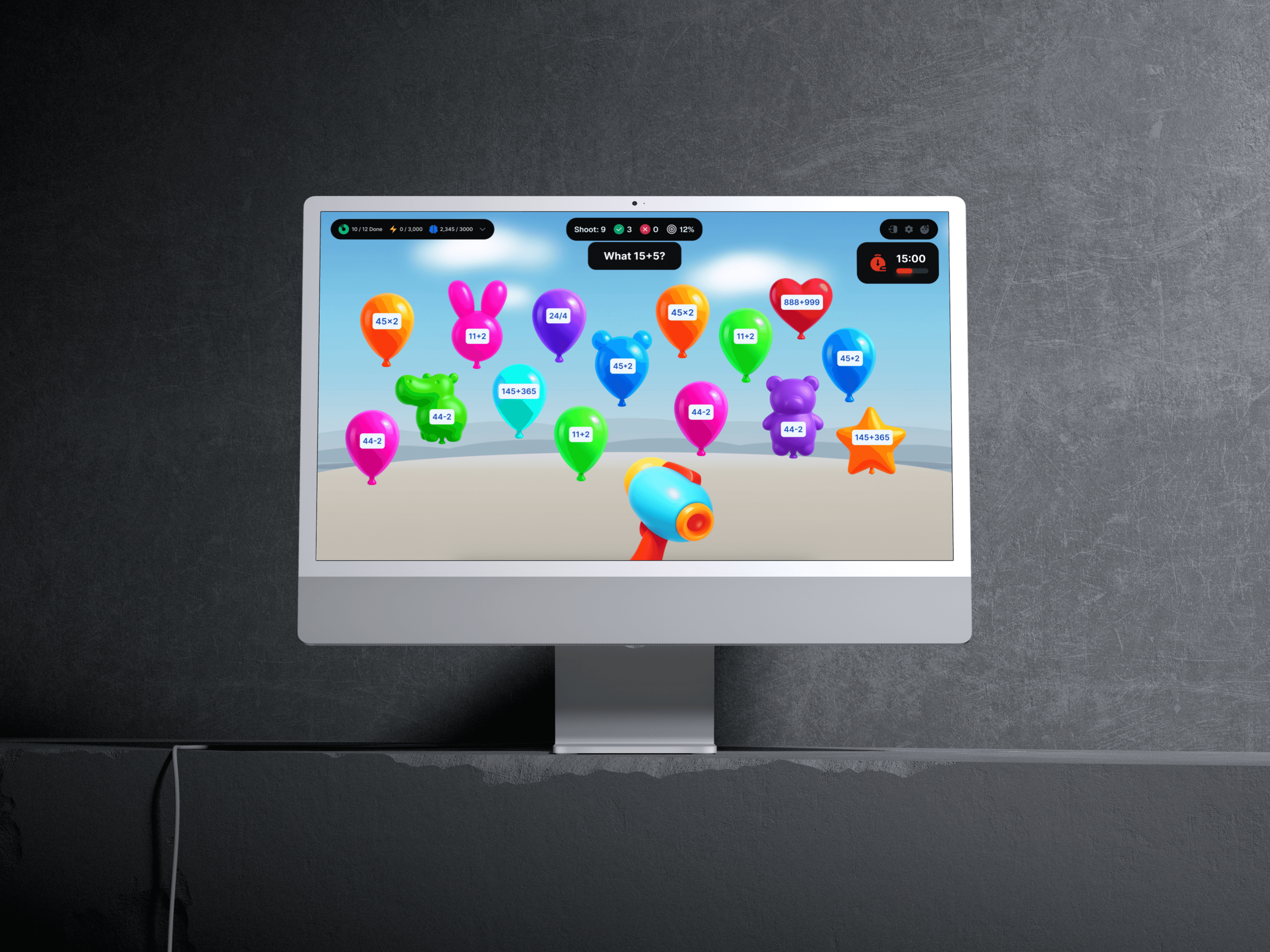
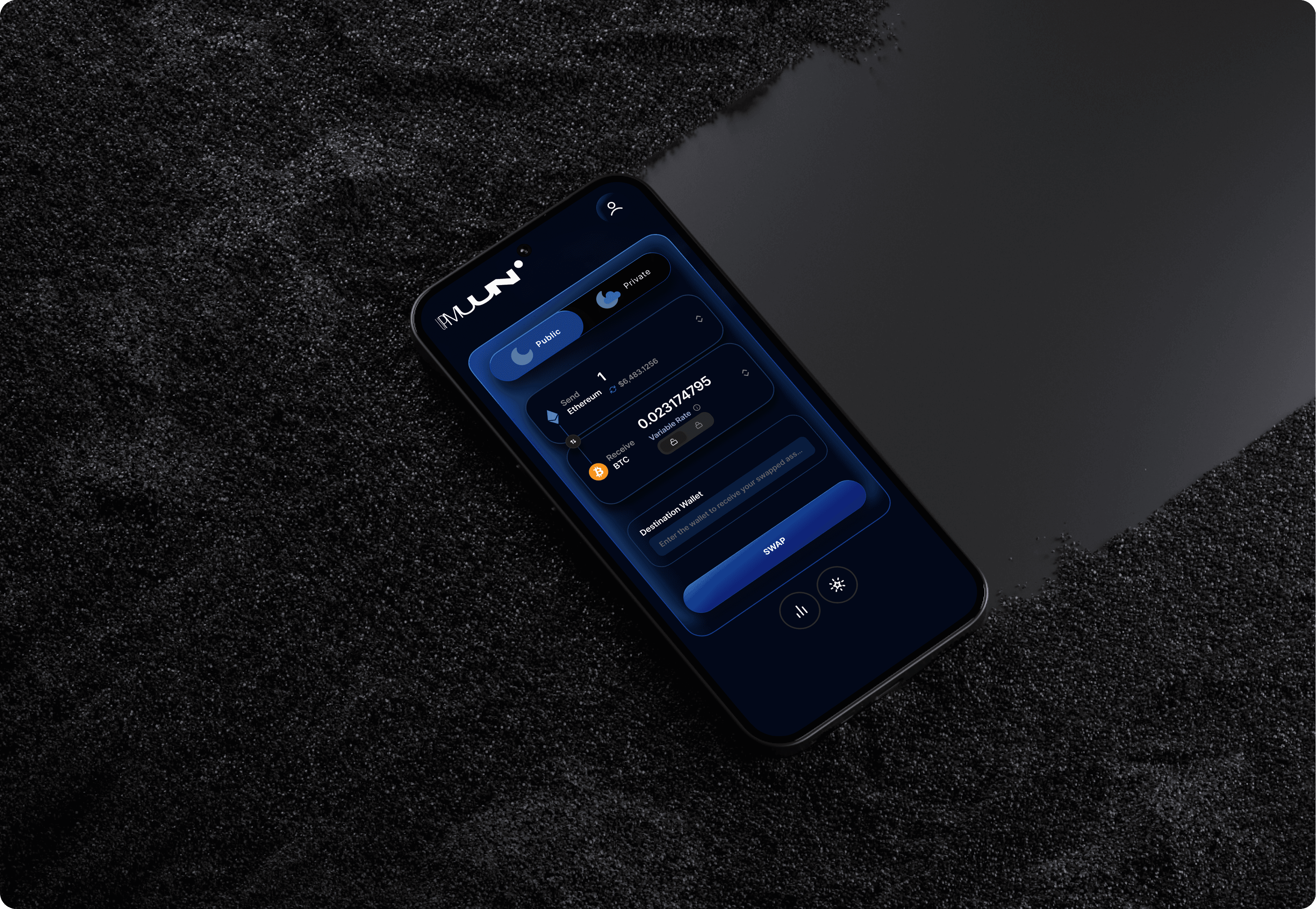
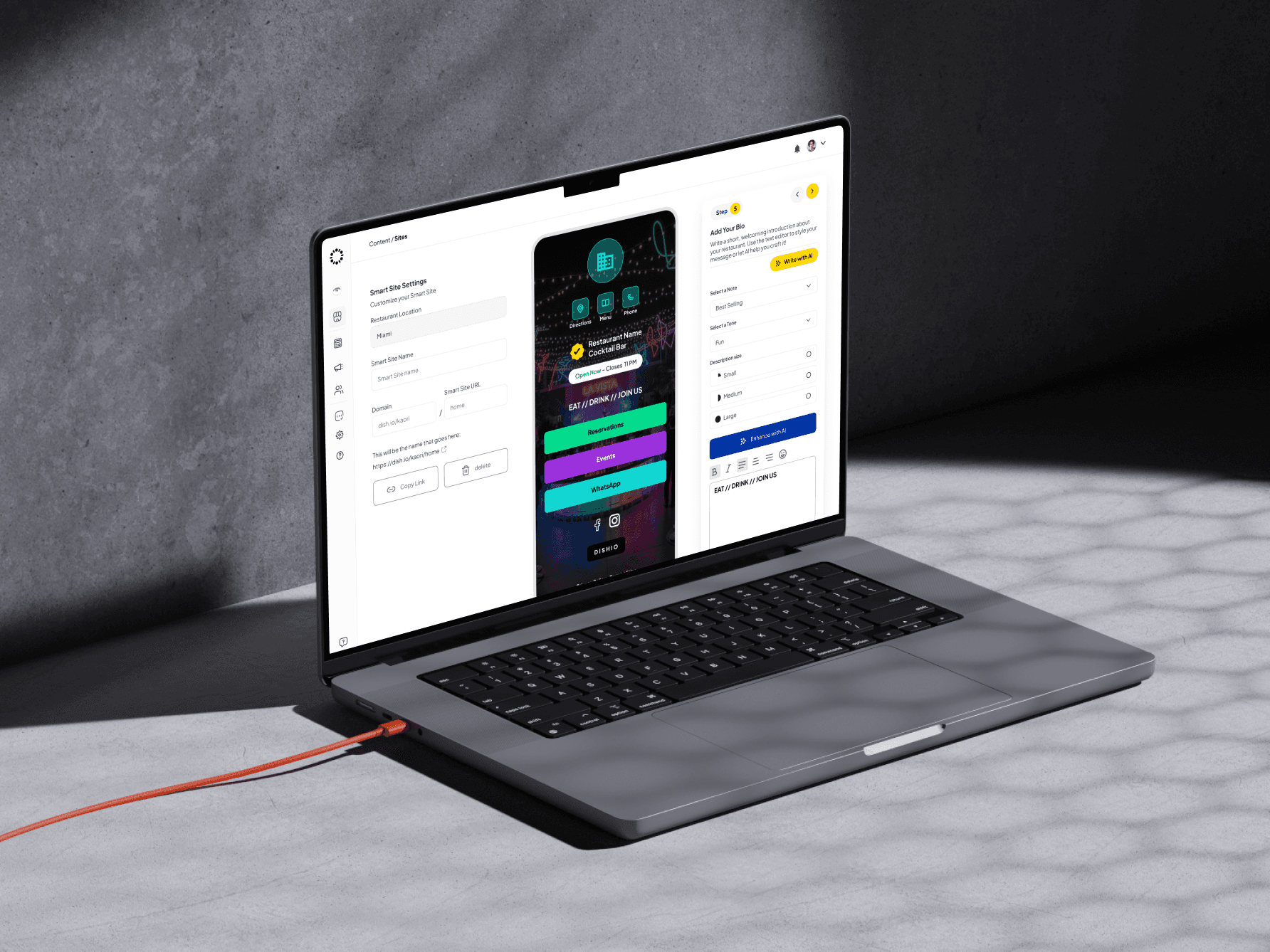
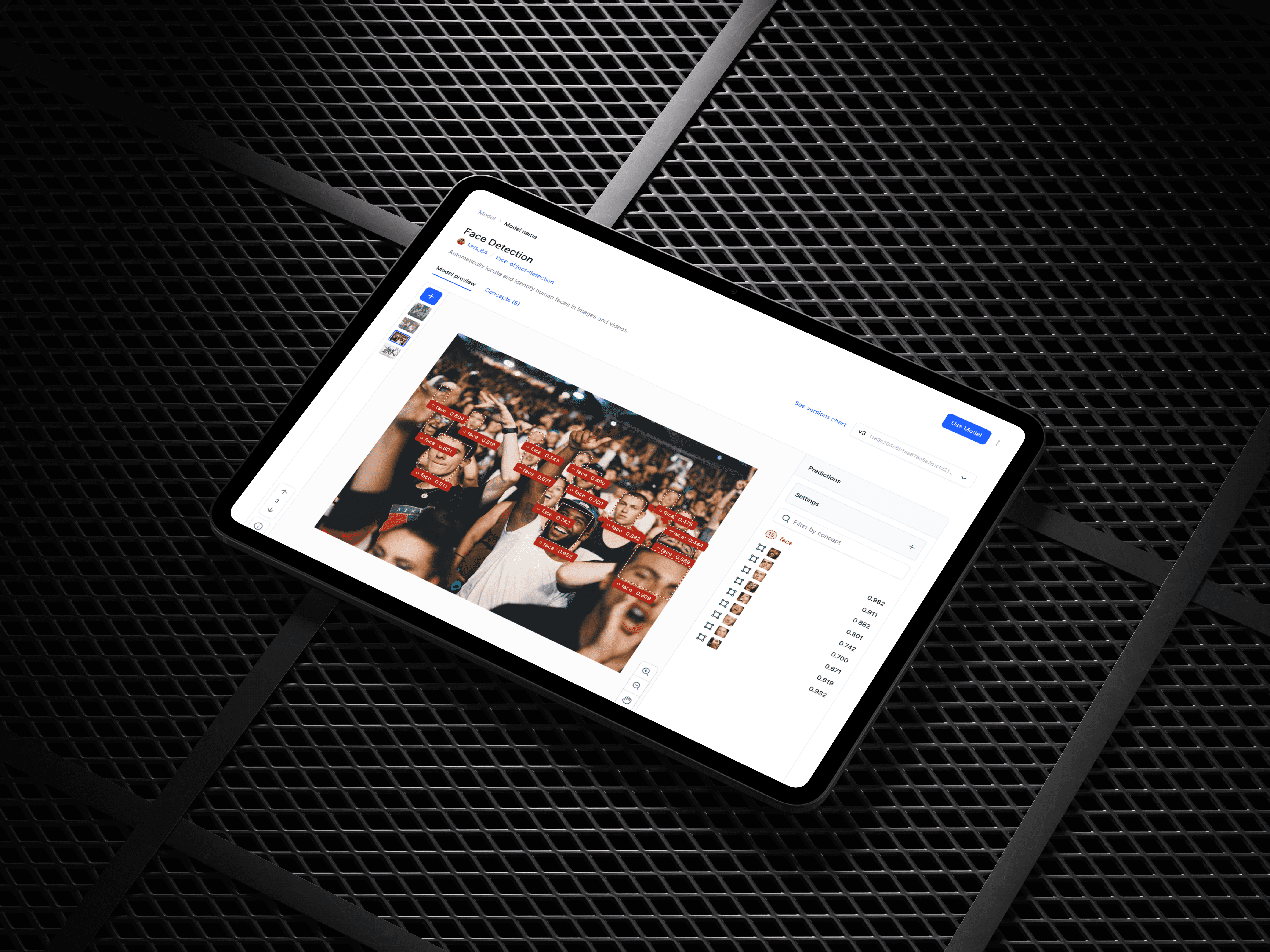
Proven across complex products
Design that moves your product forward.


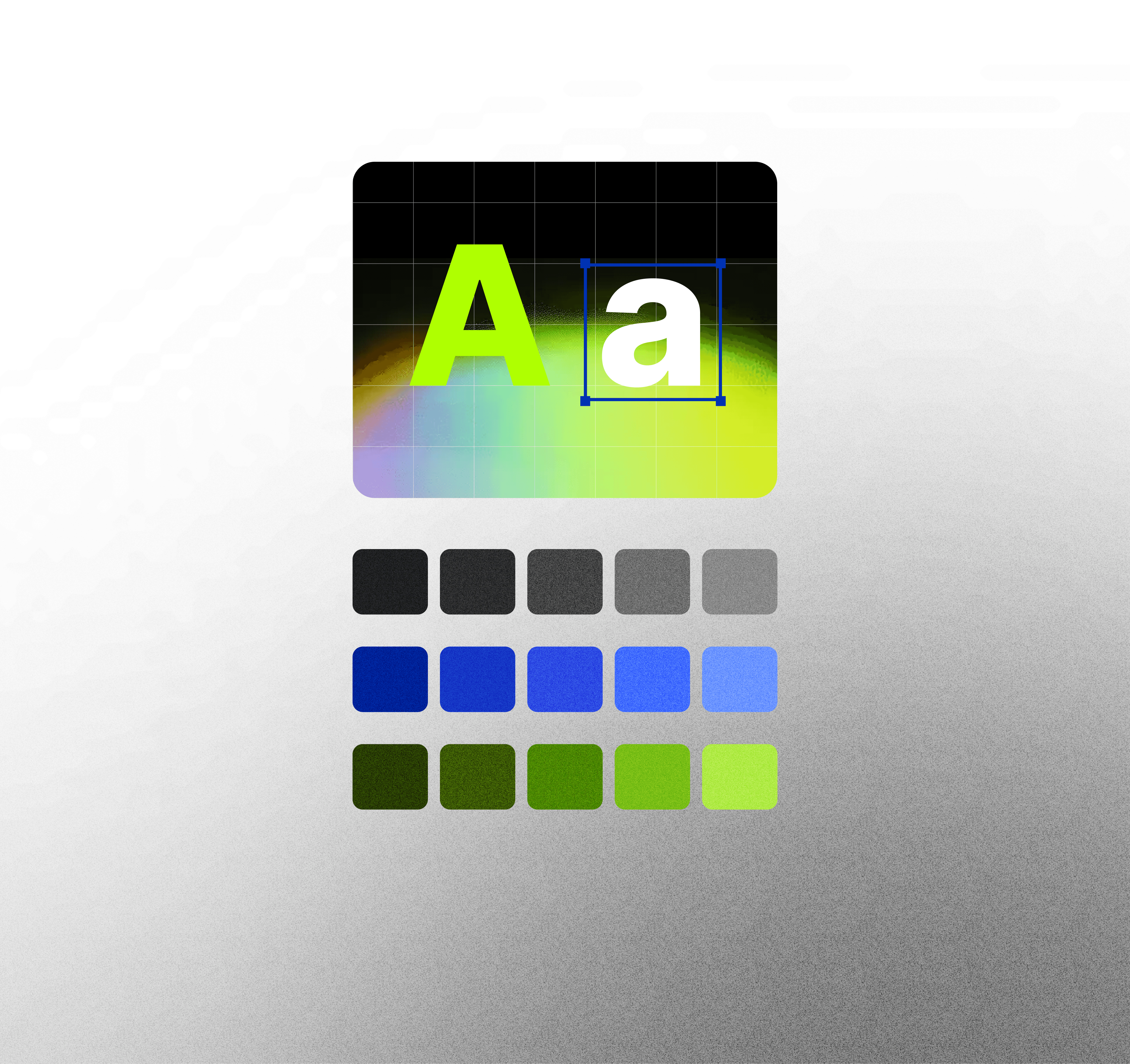
Core strengths
Systems and outcomes built for teams that move fast.
Success Stories
Results that build trust
How cross-functional teams describe working with me.








FAQ
Answers to the questions we hear most often.
How do you use AI in your design process?
Practically and intentionally, not as a shortcut but as a multiplier. I use AI across ideation, visual exploration, content direction, UX logic, research synthesis, and early prototyping. In practice that means I can explore ten visual directions before a client would normally see one, pressure-test copy and user flows before anything gets built, and synthesize research into clear design direction faster than a traditional process allows. The output is still craft and judgment. AI just means we get there without burning time on avoidable detours.
What's your experience with design systems?
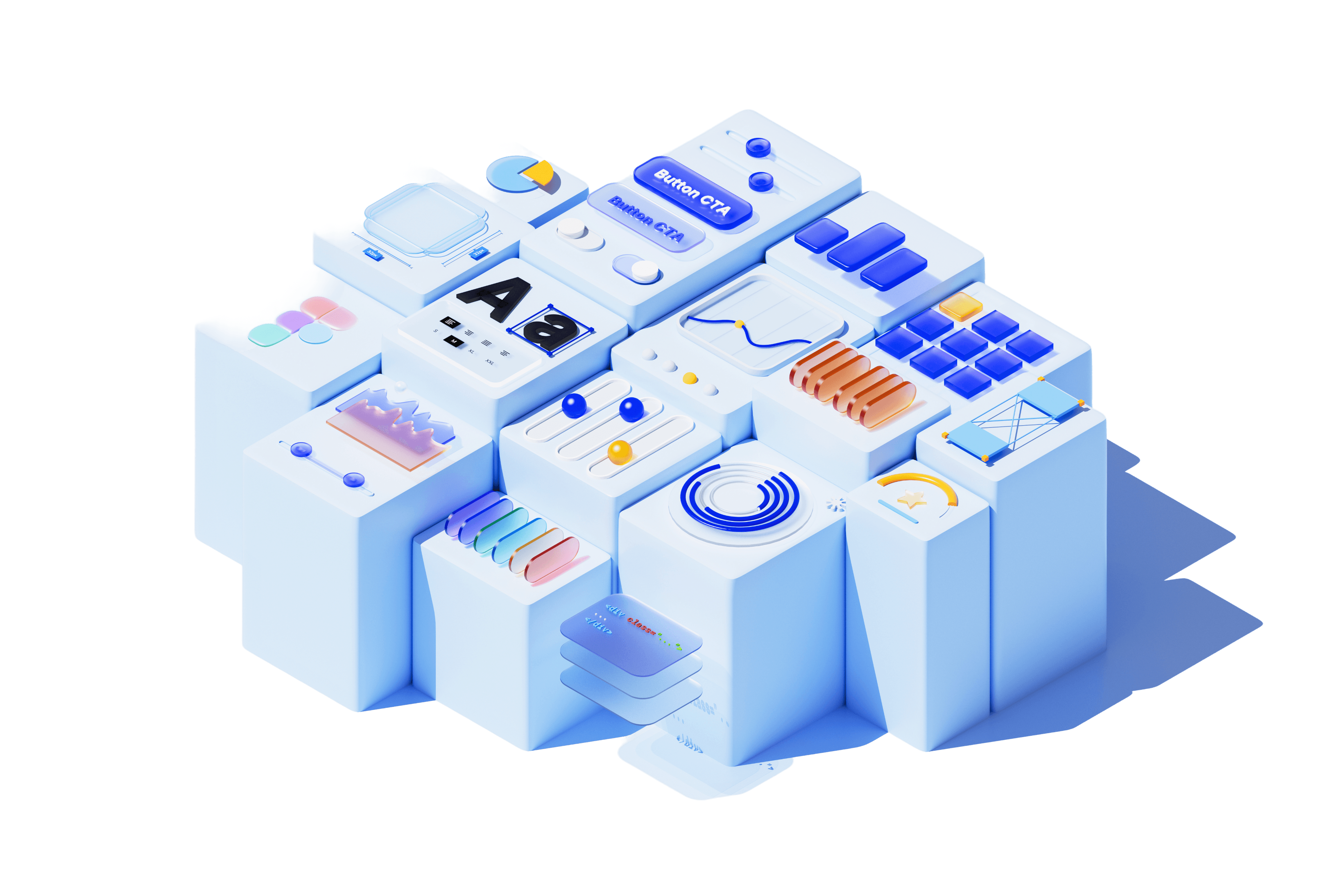
I've built multiple design systems from scratch and maintained them inside fast-moving teams. My focus is scalable components, thoughtful tokens, clean documentation, and full alignment with how the dev team actually builds. I've also done this for cross-platform products including web and real-time 3D game environments in Unreal Engine, which adds a layer most designers haven't had to think through.
What types of products do you work best with?
Platforms with real complexity. Crypto, gaming, finance, education, immersive tech, dashboards, and data-heavy systems. The more moving parts, the more useful I am. Simple landing pages aren't really my thing.
How do you approach complex products?
I look for the underlying structure before touching anything visual. Remove the noise, find the pattern, create clarity for the user and for the team building the product. I've found that the fastest way to move forward on a complex product is to slow down just enough at the start to actually understand what it's trying to do.
What's your workflow like with product and engineering?
I work closely with PMs and engineers from day one. Clear handoffs, consistent communication, and design grounded in how the system actually works. I don't throw specs over a wall and disappear. I stay in the build.
Insights
Journal
Our take on design, branding, digital craft, and the culture that shapes them.